Best hoodies for embroidery: Quality blanks and how to choose
January 13, 2026 | by deven.khatri@gmail.com
How to choose the best hoodie for embroidery

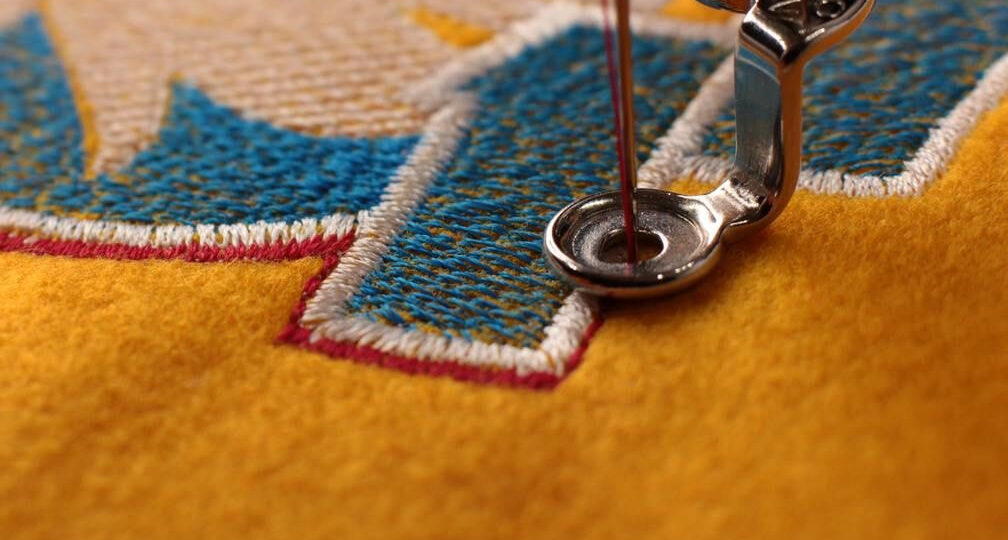
The best hoodies for embroidery combine the right fabric, structure, and finish to make your stitches look clean and last longer. Whether you’re creating custom embroidered hoodies for yourself or selling them online, these details will help your embroidery designs stand out for all the right reasons.
Fabric type
Start with a stable fabric. A cotton or cotton-poly fabric blend gives threads a solid grip and prevents puckering during embroidery work. A 100% cotton face – like you’ll find on many quality hoodies – creates a clean surface for crisp logo details and text. Avoid waterproof or overly stretchy materials, which can distort stitches.
Material insight: Choosing the right fabric blend
The right fabric blend determines how your embroidery looks, feels, and lasts. Here’s what to consider:
Organic cotton: Eco-friendly and naturally textured, it holds stitches firmly and provides a clean base for embroidery.
Polyester: Adds flexibility, durability, and shape retention – great for athletic activities or everyday wear.
Soft fleece: Offers extra warmth and comfort, making it ideal for colder climates and cozy designs.
Sturdy fabrics: Balance softness and structure, ensuring smooth embroidery results and long-term durability.
Choose materials that support both comfort and stability for embroidery that looks polished and wears well over time.
Fabric weight
Go for mid to heavyweight hoodies (around 280-350 GSM). Lighter fabrics often ripple under dense embroidery, while thick fleece can make the needle drag. Look for a perfect balance – sturdy enough for crisp stitches yet soft enough for comfortable everyday wear.
Surface texture
A smooth surface is key for precise embroidery. Tightly knit cotton or soft fleece helps threads lie flat and enhances contrast, giving your embroidered designs a refined, high-end look. This keeps embroidery edges sharp, even after repeated washing.
Textured or loose-knit fabrics can make small details appear uneven or fuzzy.
Color
Neutral and solid tones showcase embroidery best, helping thread colors appear vibrant and accurate. Busy prints or marled textures compete with your design, while lighter tones emphasize contrast and legibility.
Fit and construction
Look for structured seams and stable panels around common embroidery areas (chest, sleeve, back). These prevent shifting during stitching and help your logo or artwork sit flat.
The right combination of sturdy fabrics, soft fleece, and thoughtful design choices turns a simple hoodie into a long-lasting piece with a premium feel that reflects your brand’s quality.
Read more: Hoodie design and logo placement guide
Design considerations
Placement, color contrast, and thread density all influence how your embroidery designs stand out. Choose embroidery thread colors that complement the fabric tone. Keep the design placement balanced across seams, pockets, or drawstrings for a clean, professional finish.
Design and sell your embroidered hoodies with Printful

Selling embroidered hoodies with on-demand fulfillment means you can fully focus on designing and growing your business while Printful takes care of embroidery and shipping.
Follow these steps to create high-quality, long-lasting custom hoodies that reflect your brand’s identity and quality craftsmanship.
1. Choose your blank hoodie
Pick from Printful’s Catalog of quality hoodies. Narrow your options by fit, fabric weight, and style. Use the decoration technique filter to quickly find hoodies compatible with embroidery.
2. Select embroidery technique
Choose between Standard Embroidery (up to 6 thread colors) and Unlimited Color Embroidery, which dyes a single thread to achieve full gradients. Both deliver durable, tactile results perfect for logos, text, and detailed embroidery designs.
RELATED POSTS
View all

9 Best heavyweight t-shirts for printing on demand
January 17, 2026 | by deven.khatri@gmail.com

Men’s Winter Shirt Trends You’ll Love – VESTIRIO
June 12, 2025 | by deven.khatri@gmail.com