


How to Make a Profitable YouTube Channel in 2025
November 4, 2025 | by deven.khatri@gmail.com

Key takeaways
-
You don’t need millions of subscribers to start earning on YouTube. Monetization options are available for creators of all sizes.
-
Diversifying your income streams is key to building a stable YouTube business. Combine ad revenue, product sales, affiliate marketing, fan support, and sponsorships.
-
Short-form content boosts visibility, while long-form content earns more. Use both formats strategically to grow your audience and increase your revenue.
-
Fan funding and digital products offer fast paths to income. These methods work even if you’re just starting out and don’t yet qualify for ads.
-
High-quality content plus smart monetization results in long-term growth. Stay consistent, experiment with new revenue streams, and make it easy for viewers to support your work.
1. Create and sell custom products

Once you’ve built an audience, you’ll have a potential customer base. Selling products lets you turn those views into profits, and there are no eligibility requirements for this.
Physical products
The simplest way to sell merch is through a print-on-demand provider like Printful. You design the products, and Printful handles the printing, packaging, and shipping – no inventory or upfront investment required.
If you’re in the YouTube Partner Program, connect your store via YouTube Shopping, so products appear right under your videos.
You can also sell on Etsy, Shopify, or your own site, but YouTube Shopping and Printful are a great beginner combo.
Popular merch ideas by niche:
-
Fitness – Water bottles, gym bags
-
Gaming – Mouse pads, stickers
-
Education – Notebooks, tote bags
-
Art – T-shirts, mugs, posters
-
Comedy – Hats, t-shirts, stickers
Printful has 446 customizable products, so you’re sure to find something for every customer base. Start with a simple t-shirt with an inside joke your fans already love and go from there.
Digital products
Digital goods require effort to create but cost nothing to stock or ship. They are great for creators who teach, coach, or design.
Top ideas:
-
Templates (Notion, Canva)
-
Presets (Lightroom, LUTs)
-
Ebooks or guides
-
Digital art or wallpapers
-
Online courses
Pro tip: Use Gumroad or Payhip if you want to sell digital products without building a full store.
Let your niche lead your product choices. A fashion creator might offer a wardrobe planner, while a coding channel could sell starter templates.
The best part? You don’t need to be in the YPP to start. Add product links to your video description or pinned comments and mention them naturally in your content. It’s a fast way to start getting paid on YouTube without relying on ads.
2. Join the YouTube Partner Program
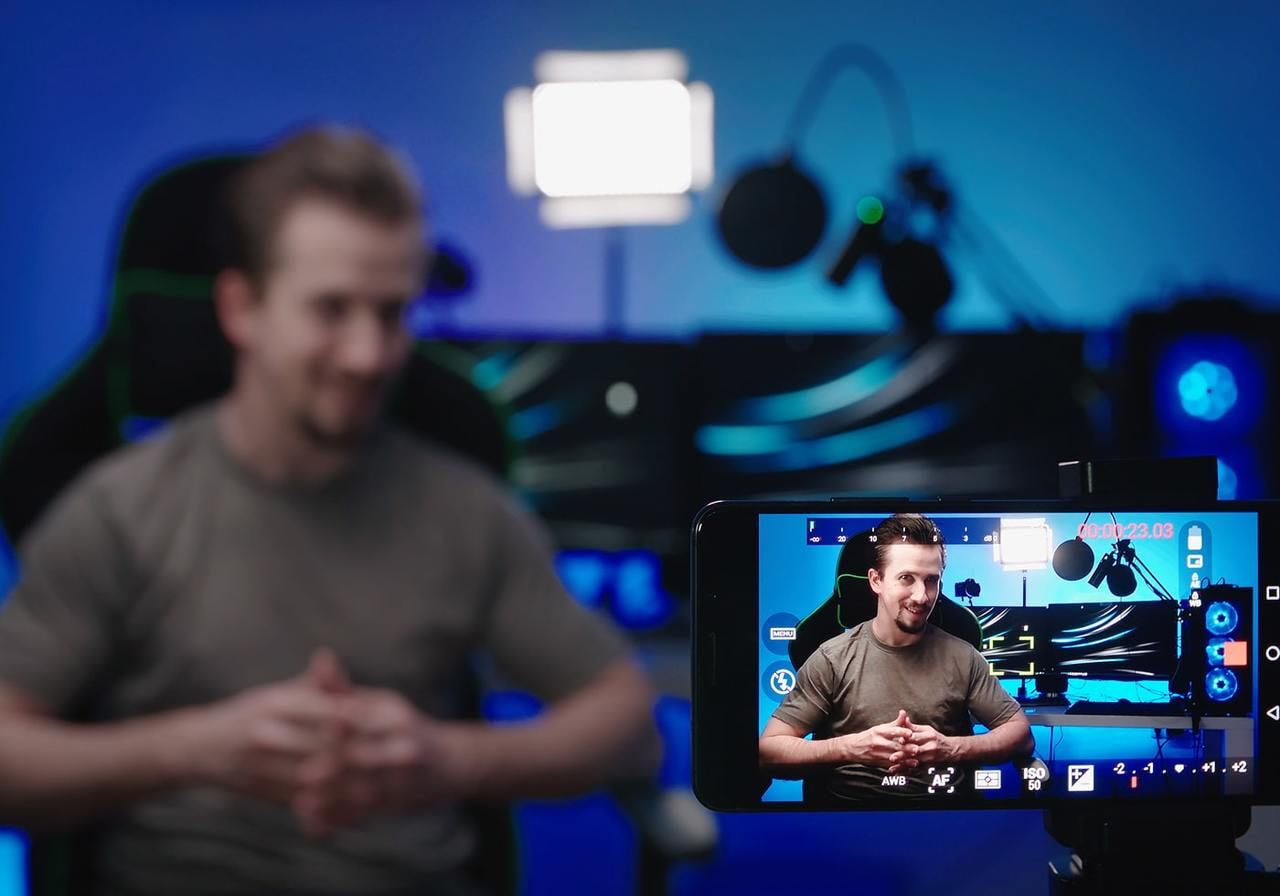
The YouTube Partner Program (YPP) gives you exclusive benefits to monetize your YouTube channel.
Google’s program lets you earn money through tools like ad revenue, channel memberships, and built-in YouTube Shopping features. You’ll get prioritized support, stronger monetization features (like Super Thanks), and YouTube Shopping affiliate program perks.
How do I qualify for the YouTube Partner Program?
Here are the eligibility criteria:
If you qualify, there are two ways to get into the YouTube Partner Program.
|
Access type |
Subscribers |
Uploads |
Watch time / Shorts views |
|
Standard access |
1K+ |
– |
4K+ public watch hours in the past 12 months or 10 million Shorts views in the last 90 days. |
|
Early access |
500+ |
Three public uploads |
3K+ public watch hours in the past 12 months or 3 million Shorts views in the last 90 days. |
If you qualify, here’s how to apply:
-
Head to YouTube Studio.
-
Click the Earn tab.
-
Follow the application steps.
-
Expect a response within about 30 days.
When YouTube Premium members watch your videos, you earn a share of YouTube Premium revenue, based on watch time. It’s built into the YouTube Partner Program, so no extra setup is required. This means even ad-free views can help you earn revenue.
3. Monetize with YouTube Ads and Shorts
Once you’re in the YPP, ads on your videos are the quickest way to make money on YouTube. But in 2025, Shorts are also part of the mix.
How video Ads work
YouTube ads can appear before, during, or after your long-form videos, and you get advertising revenue when viewers watch or interact with them.
Here are two terms you need to understand:
-
CPM (Cost Per Mille) – What advertisers pay for every 1,000 impressions.
-
RPM (Revenue Per Mille) – What you actually earn per 1,000 views.
Your RPM in 2025 could range from $1 to $6, depending on your audience and niche. YouTube takes a 45% cut of ad revenue from standard videos, and you keep the rest.
An example:
Let’s say one of your videos earns 100,000 monetizable views with a $15 CPM.
100,000 ÷ 1,000 = 100
100 × $15 = $1,500 total
Your cut (55%) = $825
4. YouTube Shorts

YouTube Shorts now offers ad revenue, too, but the model is different.
-
Ads don’t play on individual Shorts. Instead, ad revenue goes into a global pool.
-
You earn based on your share of views in your country and whether you use copyrighted music.
-
YouTube takes 55% of the Shorts revenue pool, and creators split the rest.
Expect RPMs on Shorts feed ads to be low (about $0.01 to $0.06 per 1,000 views), but the visibility boost makes up for it. Creators using Shorts often grow faster, and even small earnings can stack up.
Combine Shorts with long-form videos
Long-form content brings better RPMs, while short-form videos help you get discovered and drive channel growth. When used together, they boost both reach and revenue.
You’ll get the most out of YouTube monetization by repurposing content across both formats. Clip your long videos into punchy Shorts, or use Shorts to tease your longer tutorials, vlogs, or explainers.
5. Let fans support you directly
Some of your most reliable income may come from the people who already love your content. Fan funding tools, both on and off YouTube, make it easy for your viewers to support your work.
On-platform fan support (YPP required)
If you’re part of the YouTube Partner Program, enable interactive features that let fans chip in during or after your videos:
-
Super Chat – Viewers pay to highlight their messages during live streams. The more they pay, the longer their message stays pinned.
-
Super Stickers – Fans can purchase animated stickers to post in live chat. They’re fun, visual, and supportive.
-
Super Thanks – A tipping option on any video, not just lives. Viewers leave a paid comment to show their appreciation.
These tools are built into YouTube and require no extra setup. Just toggle them on in YouTube Studio, and they’ll appear next to your videos and livestreams. To increase engagement, thank supporters by name, respond to their comments in real time, or follow up with videos.
Off-platform fan support (no YPP needed)

You don’t always need YouTube’s approval to let fans support you. Off-platform donation tools are fast to set up and don’t require you to meet YPP eligibility.
Popular options include:
These platforms allow one-time or recurring tips, often with zero fees. Just link your page in your video description, pinned comment, or About tab, and explain what their support helps fund.
Example: Sarah Gray of Bloom & Gray uses Ko-fi to invite her followers to “buy her a coffee” (i.e., make a £5+ donation). In return, she shares updates and thank-yous directly with supporters.
Crowdfunding for one-time projects
Unlike fan funding, crowdfunding is designed to raise money for specific projects, like a docuseries, a short film, a new product launch, or even a channel relaunch.
Here’s how it works:
-
Kickstarter: Set a funding goal and offer tiered rewards (like merch or shoutouts). Funds are only collected if your goal is met.
-
GoFundMe: Flexible goal-based fundraising without needing to reach a minimum.
Use crowdfunding when you have a clear, time-limited goal your audience can rally behind. Communicate exactly how their support will help bring it to life.
Pro tip: Link your fan support pages in your About tab, not just video descriptions. This keeps it discoverable across your channel.
6. Channel memberships and exclusive content
One powerful way to make money on YouTube is by turning loyal fans into paying supporters through channel memberships and exclusive perks. This helps creators build a recurring revenue stream and deepen community ties.
YouTube’s built-in membership model
Once your YouTube channel qualifies for the YPP, enable channel memberships inside YouTube Studio. This lets viewers support your YouTube content with recurring monthly payments in exchange for:
-
Loyalty badges in live chat streams and comments.
-
Custom emojis.
-
Members-only live streams, Q&As, and posts.
-
Early access or exclusive videos.
You can create up to six membership tiers. Even low-cost options ($1-$2/month) can drive engagement if you offer enticing, exclusive benefits.
Alternative platforms to earn money outside YouTube
If you’re not yet eligible for the YPP or want more flexibility, use third-party tools to earn money from fans.
-
Patreon – A favorite among creators for paid membership tiers and bonus content.
-
Substack – Ideal for newsletter-based content creation and community engagement.
-
Skillshare – Perfect for turning educational content into premium video courses.
These platforms help creators earn revenue independently while supplementing YouTube monetization efforts. Whether you monetize through memberships or off-platform perks, the key is offering value that fans are happy to pay for.
7. Partner with brands for sponsored content

Want to make money on YouTube without relying only on ad revenue? Sponsored video deals let you collaborate with brands to promote products you already use, and you don’t need millions of subscribers to get started.
Always disclose sponsored content clearly. YouTube’s monetization policies and FTC guidelines require it.
Use phrases like “Thanks to [brand] for sponsoring this video” at the beginning of your video or in your description. Failing to disclose can result in demonetization or even account strikes.
Why brands want to work with small creators
Brands are shifting focus from big-name influencers to smaller creators with niche, loyal audiences. That’s especially true on YouTube, where long-form videos build trust and community. If your channel has 1,000-10,000 subscribers, brands may see you as a more effective, budget-friendly way to reach the right target audience.
Try formats like:
-
“Top tools I use” lists featuring the brand.
-
How-to tutorials using the product.
-
Vlogs with casual mentions or product placements.
-
Giveaways or creative challenges tied to a product launch.
A real example is Lisa Lovee, a fashion creator who landed her first brand deal with just over 1,000 subscribers by pitching brands she already used and trusted.
How to get your first brand deal

Either wait for brands to reach out or contact them directly. If you’re just starting out, pitching is your fastest path.
Here’s what to include in a compelling collaboration proposal:
-
Subscriber count and average views per video
-
Audience demographics (age, gender, location, interests)
-
Your niche and type of content creation
-
A short explanation of why you’re a good brand fit
-
Campaign ideas (e.g., unboxing, how-to, tutorial, day-in-the-life)
-
What you’re offering and expecting – free product, flat fee, or affiliate link commission
Use YouTube BrandConnect
If you’re part of the YouTube Partner Program and meet the eligibility requirements (including an active AdSense account and compliant content), you can access YouTube BrandConnect. It matches eligible creators with brands looking to sponsor videos directly within YouTube Studio.
8. Earn passive income with affiliate marketing
Affiliate marketing is a smart, scalable way to earn revenue on YouTube without adding more to your workload. You’re already creating videos – just add product links to your video descriptions, and you’ll earn passive income every time someone buys through them.
How affiliate marketing works
First, find and join an affiliate program (e.g., Printful, Amazon Associates, Skillshare, etc.).
They’ll give you a unique referral link. Add it to your description, pinned comment, or even mention it on-screen. When someone clicks and buys, you earn a small commission.
Remember to promote your videos and affiliate links across other social media platforms like Instagram, TikTok, X, or LinkedIn. The more eyes on your content, the higher your earning potential.
9. License your content to maximize reach
Licensing is ideal for creators whose videos go viral, feature rare footage, or have mainstream appeal. Vloggers, reaction channels, drone videographers, and IRL creators often have moments that media outlets want to reuse.
What is licensing, and how does it work?
Licensing means someone else pays to use your video.
When a company (like a news network or ad agency) wants to use your video, a licensing platform acts as the middleman. They negotiate usage rights, distribute the clip, and handle contracts. In return, you receive royalties or a flat payout, depending on the deal and usage type.
Here are some good licensing platforms:
-
Jukin Media actively markets viral clips to TV shows, news outlets, and publishers. Creators earn royalties they can monitor via a dashboard, with payouts from shares, commercials, and campaigns.
-
Storyful specializes in distributing verified footage to major newsrooms and digital outlets. They’ve helped over 25K creators license videos for mainstream use.
These platforms cover outreach, contracts, rights management, and payments, while you focus on creating more content.
Some licensing companies monitor YouTube and TikTok for trending clips and may reach out to you directly. But if you have a standout moment, pitch your own content to them for potential deals.
Final thoughts
If you’re trying to decide how to make money on YouTube, the good news is that you’re not limited to just one method. Just focus on creating high-quality content for your target audience, add one income stream at a time, and build a channel that pays you back!
RELATED POSTS
View all


Men’s Summer Beachwear 2025: Must-Have Outfits & Accessories
March 31, 2025 | by deven.khatri@gmail.com

Top ways to start a product-based business online
September 15, 2025 | by deven.khatri@gmail.com

Explore the Latest Women’s Just Cavalli Bags – Iconic India
May 6, 2025 | by deven.khatri@gmail.com