


Beyond the landfill: How Print on Demand reduces waste
February 11, 2026 | by deven.khatri@gmail.com

The traditional fashion industry relies on assumptions – with manufacturers producing massive quantities of clothing months before a single sale is made. This system is the primary driver of global textile waste, sending millions of tons of garments to landfills annually.
On-demand manufacturing replaces this guesswork with precision. The on-demand model maintains profitability and eliminates unsold inventory because production only starts after a customer makes a purchase.
This article explores how this transition is building a more sustainable future for the global textile industry.
Key takeaways: Why on-demand manufacturing is the future of fashion
-
Elimination of overproduction: The on-demand model ensures production begins only after a purchase, effectively removing the risk of unsold products and excess inventory.
-
Drastic waste reduction: By producing only what is needed, on-demand production helps mitigate the staggering amount of textile waste currently sent to landfills.
-
Lowered environmental footprint: Utilizing digital printing and localized fulfillment reduces water consumption and carbon emissions throughout the supply chain.
-
Empowerment for smaller brands: Modern on-demand manufacturing gives smaller brands the digital tools to scale professionally without high minimum order quantities.
-
A more sustainable future: Moving away from mass production allows the textile industry to align with environmental responsibility and evolving customer preferences.
The true cost of fast fashion
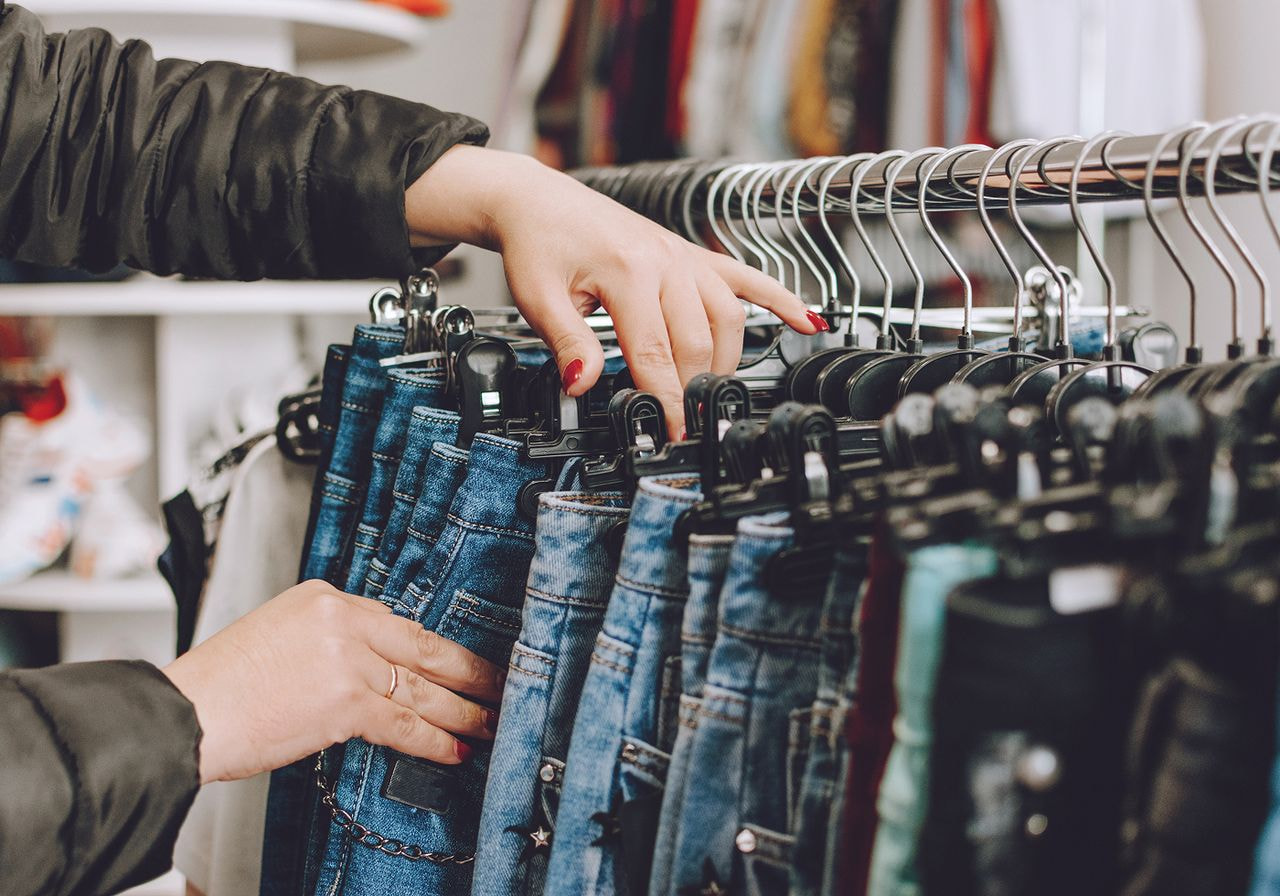
The term fast fashion has become synonymous with rapid production cycles and low-cost garments. While it made trendy apparel accessible to the masses, the environmental price tag has been immense. The traditional supply chain is optimized for speed and volume, often at the expense of environmental responsibility.
Annual volume of textile waste in landfills
The equivalent of one garbage truck of textiles is landfilled or burned every second.
In the United States alone, the Environmental Protection Agency (EPA) estimated that 17 million tons of textiles were generated in a single year, with a significant portion ending up as landfill waste.
This staggering amount of discarded clothing is a direct result of failing to align apparel production with actual demand.
Environmental effects of the fashion industry’s overproduction
Overproduction is the primary driver of fabric waste. When brands manufacture thousands of units to satisfy high minimum order quantities, they inevitably face the issue of unsold products.
As much as 40% of all new textiles manufactured for clothes are never sold, often ending up in incinerators or landfills before they ever reach a consumer.
These unsold goods represent a massive drain on valuable resources. The water used to grow cotton, the energy required for manufacturing, and the chemicals used in dyeing are all wasted when the final product is discarded without being worn.
Fast fashion’s impact on global ecosystems
The environmental impact extends beyond landfills. The textile industry is responsible for approximately 10% of global carbon emissions and 20% of global wastewater, according to data from the United Nations Environment Programme (UNEP).
When mass production happens in regions with lax environmental regulations, the discharge of untreated dyes into local waterways can devastate ecosystems. Furthermore, the reliance on synthetic fibers means that waste contributes to microplastic pollution, which persists for centuries.
Print on Demand as a sustainable production model

Print on Demand (POD) is a sustainable manufacturing strategy that uses digital tools to eliminate the inefficiencies of the traditional market.
Print on Demand prevents overproduction
The on-demand model only produces what is sold. This fundamental change removes the risk of unsold inventory. Instead of brands sitting on excess stock that eventually becomes textile waste, a POD partner like Printful produces items individually, ensuring every garment has a destination.
Minimizing inventory waste through on-demand production
Inventory management is a major hurdle for small businesses. Traditional methods require high upfront capital and lead to significant storage costs. By removing physical stock requirements, on-demand manufacturing helps entrepreneurs protect their cash flow while reducing textile waste.
The role of fashion-on-demand in sustainability
On-demand fashion represents a cultural shift toward intentional consumption. When consumers buy items that are made to order, they move away from the disposable mindset of fast fashion, supporting a system where every piece of clothing is created with a purpose.
RELATED POSTS
View all


Rakhi Gifts for Brothers Who Have Everything (But Still Deserve More)
July 9, 2025 | by deven.khatri@gmail.com


What is a Polo T-shirt? Polo Shirt Meaning, History & Differences – Hungover
April 29, 2025 | by deven.khatri@gmail.com