


Clothing line business plan: Build a brand in 7 steps
January 7, 2026 | by deven.khatri@gmail.com

How to create a clothing line business plan in 7 steps
1. Research the market and validate your niche
Before you write a business plan, run a quick reality check on your clothing line idea. The fashion industry moves fast, and the clothing segment is crowded, so you want proof that real people want your drop.
Start with demand signals:
-
Google Trends: Compare searches like “cropped hoodie” vs “oversized hoodie” and watch market trends over time.
-
Marketplaces (Etsy, Amazon, eBay): Search your niche, sort by bestsellers, then read reviews for sizing, fabric, and “wish it had…” comments. That’s raw customer preferences.
-
Social listening: Explore TikTok search, Instagram hashtags, Reddit threads, and YouTube comments within your niche. Save repeats in a Notes doc.
-
Keyword tools: Use Google Keyword Planner, Ahrefs, or Semrush. Look for steady demand, not one-week hype.
-
Trend databases: Exploding Topics, Trend Hunter, Pinterest Trends. Cross-check with fashion trends so you do not chase a fading micro-moment.
Then map the competitive landscape: Pick five competitors and record price range, photos, materials, fit notes, and positioning. Compare new players to established brands and spot your gap.
A niche is viable when real people already want it, and you can prove three things:
Demand exists: You see consistent searches, repeat questions in comments, and products in that space that actually sell (not just look pretty).
Your angle is clear: You can explain, in one sentence, why your clothing line is different (fit, function, style, materials, or purpose).
And the math works: Your price covers production, shipping costs, and marketing, and you still keep a profit. If the numbers only work “once you get huge,” it’s not a niche, it’s a wish.
2. Define your brand identity and value proposition

This is the part of your business plan where your clothing line stops sounding like “cool apparel” and starts sounding like a real clothing brand. Write it like a one-page brand brief, then drop it into your planning docs.
Start with the brand core:
-
Mission: What you build and who it’s for (example: everyday gear for city cyclists).
-
Vision: What you want your clothing line to become in three to five years.
-
Values: Pick three and prove them (quality, inclusivity, or sustainable fashion with sustainable clothing or packaging options).
Next, define your people. Describe your target audience in plain language, then turn it into two to three buyer personas, jotting down age range, lifestyle, budget, and buying triggers. Add one line on your target customers and what they complain about with existing options.
-
Now write your USP (unique selling points) in one sentence: “We make ___ for ___ who want ___ without ___.” That sentence becomes your product pages, ads, and pitch.
Finish with how your fashion brand shows up: brand identity (name, tone, colors, logo use), basic style rules, and packaging notes.
Even if you run a fashion line through Print on Demand, your clothing brand can still feel authentic through branding tools like labels, inserts, and a consistent unboxing vibe. Tie it back to business goals so the story and the numbers match the competitive fashion industry.
3. Choose the right business model and production strategy
Your business plan needs a clear “how we make and deliver products” section, because your model decides your costs, timelines, and how fast your clothing line can grow.
The clothing business requires trade-offs: control vs cash, speed vs customization, and flexibility vs complexity. Pick the model that matches your target audience, your budget, and the kind of clothing line you want to build.
|
Model |
Startup cost |
Risk |
Control |
Scalability |
Inventory |
|
Print on Demand |
Low |
Low |
Medium |
High |
None |
|
Cut and sew |
High |
Medium-high |
High |
Medium |
Yes |
|
Private/white label |
Medium-high |
Medium |
Medium-high |
Medium-high |
Yes |
|
Small-batch production |
Medium |
Medium |
High |
Medium |
Some |
|
Pre-order model |
Low-medium |
Low |
Medium |
Medium |
After orders |
|
Made-to-order |
Medium |
Low |
High |
Low-medium |
Minimal |
Print on Demand

Print on Demand means you upload designs, and a supplier like Printful prints and fulfills each item after a customer buys. You do not hold stock. This model fits a fast-moving clothing line because you can test new designs, products, and niches while keeping your business plan lean and flexible.
|
Pros |
Cons |
|
Best for: A business owner starting a clothing line online, selling through an online store, and refining a business plan while demand data rolls in.
Cut and sew
Cut and sew means you design the garment from the ground up: patterns, fabric choices, fit, and construction details. A manufacturer then produces your pieces to spec. This route suits a premium clothing line with signature silhouettes, but it adds timelines, approvals, and higher upfront planning inside your business plan.
Best for: A clothing line where the product itself is the star, and your business plan supports higher pricing.
Private and white label
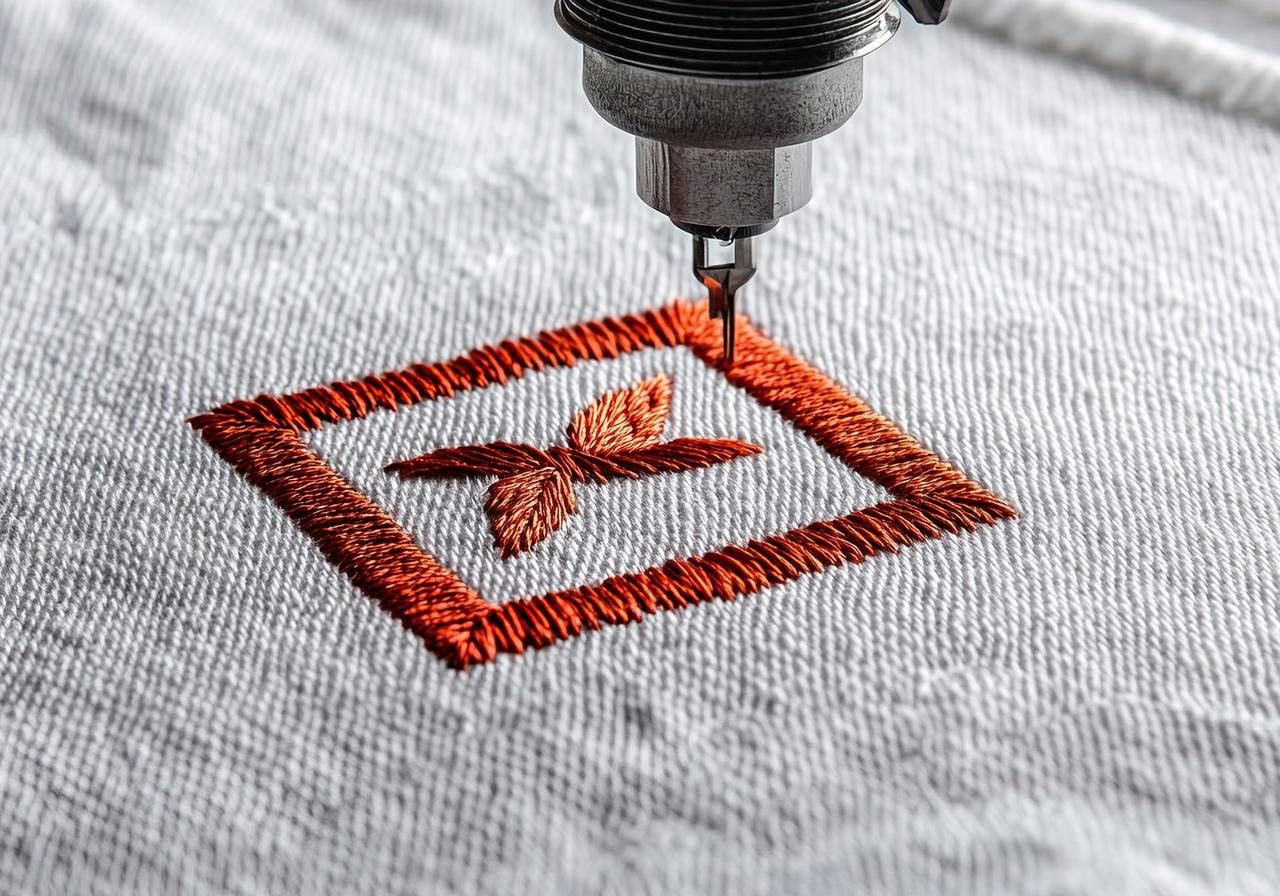
Private or white label means you start with pre-made blanks or near-finished garments, then add your branding and sometimes minor custom tweaks. You get faster production than cut and sew, with stronger branding control than Print on Demand. Your business plan should cover minimum orders, storage, and restocking.
Best for: A growing clothing line that wants branding control and has room in the business plan for inventory.
Small-batch production
Small-batch production means you manufacture limited runs, then reorder based on sales instead of betting big upfront. It’s a solid middle ground for a clothing line that wants quality control and a “drop” feel without massive inventory. Your business plan should map reorder triggers, timelines, and cash flow gaps.
|
Pros |
Cons |
|
Best for: A clothing line building hype drops and steady repeat releases.
Pre-order model
A pre-order model means you sell first, collect payments, then produce only what customers ordered. It reduces leftover stock and gives real demand proof before you commit to production. It works well for launch drops, but your business plan needs clear delivery timelines, updates, and refund rules.
Best for: A clothing line business built around limited releases and community-driven launches.
Made-to-order
Made-to-order means each item gets produced after purchase, often with size tweaks, personalization, or color choices. It supports sustainable clothing positioning because you produce less waste, but fulfillment takes longer. Your business plan should cover lead times, quality checks, and customer communication.
Best for: Niche clothing line concepts where personalization and long-term success matter more than speed.
Choose one primary model for your business plan, then add a “future option” you can switch to later as your clothing line business grows.
RELATED POSTS
View all


Top 10 Stylish Green And Beige Outfit Ideas For This Summer
April 10, 2025 | by deven.khatri@gmail.com

How to sell mugs on Etsy in 2026: Step-by-step guide
January 24, 2026 | by deven.khatri@gmail.com

How to make money on Twitch (2025 guide for streamers)
November 1, 2025 | by deven.khatri@gmail.com