


Facebook advertising 101: Create campaigns that earn
November 3, 2025 | by deven.khatri@gmail.com

Understanding ad formats
Facebook offers a range of ad formats designed to fit your product, message, and audience. The right one helps you stand out, connect with customers, and achieve your marketing goals faster.
For most businesses, success comes from testing different formats and adjusting based on performance. Whether you’re promoting one item or multiple designs, these options make running ads on Meta both flexible and effective.
Image ads
Simple and powerful. Perfect for showcasing a product, sale, or announcement. Clean visuals in a single image and short copy work best for quick engagement.
Video ads
Ideal for storytelling. Short, vertical clips grab attention in feeds and Facebook stories, engaging users for longer.
Carousel ads
Display multiple images or videos in one ad. Great for showing off several products, angles, or features in a single scroll.
Collection ads
Designed for eCommerce. Pair a hero image or video with a shoppable grid, letting users browse multiple products without leaving the app.
Stories ads
Full-screen, mobile-first placements that appear between user stories on Facebook and Instagram. Best for creating immersive experiences and driving quick action.
Slideshow ads
Lightweight alternative to video. Use a series of still images with motion and music for slower connections or low-bandwidth regions.
Each format supports different Facebook ad objectives. Image ads and stories build awareness, video ads and carousel ads drive engagement, and collection ads help close sales.
Balancing creativity with smart social media management keeps your store visible, fresh, and conversion-ready across Meta’s platforms.
Targeting and building the right audience
Success in Facebook advertising depends on how well you define your target audience. Meta gives you precise tools for targeting users based on who they are, what they do, and how they interact with your brand.
Core audiences – Demographics, interests, and behavior
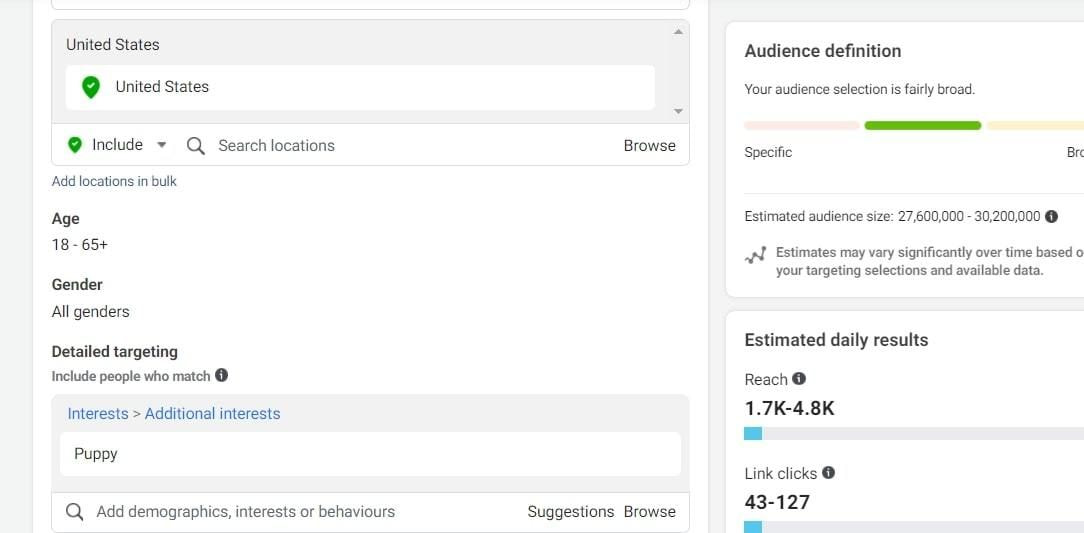
Core audiences help you target people by age, gender, location, interests, or online behavior. You can narrow or widen your focus depending on your business goals.
For example, a clothing store might target users aged 18-35 in Europe who follow fashion pages or react to style-related posts.
Read more: Start social commerce
Custom audiences – Visitors, email lists, and app users
Custom audiences let you reconnect with people who already know your brand. These could be website visitors, past buyers, newsletter subscribers, or app users.
For example, you can run app promotion campaigns that target shoppers who have downloaded but haven’t opened your app recently.
Custom targeting is key to building loyalty and encouraging repeat purchases from your most engaged followers.
Lookalike audiences – Similar Facebook users
Once you’ve built a strong audience, you can expand your reach with lookalike audiences. Facebook’s system analyzes shared traits and behaviors, finding new people who resemble your best customers.
This feature helps you scale efficiently by reaching specific audiences that are statistically more likely to respond to your ads, without wasting budget on random impressions.
Testing and retargeting strategies
Even the best audience setup needs testing. Run multiple Facebook ad variations to see which segments engage most. Adjust targeting as performance data rolls in, and use retargeting to bring back people who interacted but didn’t convert.
Retargeting keeps your brand visible to potential customers who already showed interest, increasing engagement and conversions over time.
Whether you’re refining custom segments or building a broad audience, consistent testing is what turns casual browsers into loyal buyers – something even platforms like Twitter (X) can’t match for precision.
Setting your Facebook advertising budget
Your Facebook advertising budget determines how much you’re willing to invest in exposure, clicks, and conversions across Meta’s network.
Facebook’s flexible pricing model gives you full control over spending. Start small, test what works, and scale as you go.
Choosing between daily and lifetime budgets
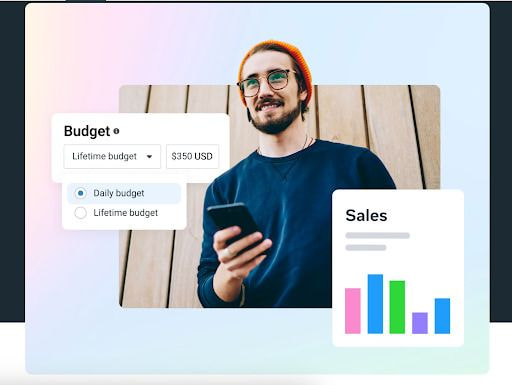
Managing and optimizing your budget
Start with a smaller Facebook ad budget to collect early data on reach, engagement, and conversions. As performance improves, reinvest in top-performing campaigns.
Keep a close eye on cost metrics like CPC (cost per click), CPM (cost per thousand impressions), and CPA (cost per acquisition).
For most small to mid-size eCommerce stores, average costs can range from $0.30-$0.90 per click and $6-$12 per thousand impressions or more, depending on industry, placement, and audience quality.
To see the most recent pricing and trends, visit Meta’s official guide on how much Facebook advertising costs.
Smart budget management means adjusting your advertising spend regularly, learning from performance data, and letting the algorithm find the most efficient path to your conversion goals.
RELATED POSTS
View all


How to Cancel Etsy Orders: A Step-by-Step Guide for Sellers and Buyers
May 12, 2025 | by deven.khatri@gmail.com

How to sell print-on-demand products on Amazon
January 3, 2026 | by deven.khatri@gmail.com

White Shirt Combinations That Speak Volumes – Your Style Manifesto – Iconic India
June 9, 2025 | by deven.khatri@gmail.com