


Must-Have AI Tools for Viral Product Descriptions
January 2, 2026 | by deven.khatri@gmail.com

Writing product descriptions that convert is harder than ever. Social commerce and short attention spans reward emotional, search-ready copy, not generic text—and this is where artificial intelligence helps you move faster and smarter.
This guide covers the 5 must-have AI tools for writing viral product descriptions. It shows how these tools help print-on-demand sellers, Etsy shops, Shopify stores, and Amazon listings scale high-impact product descriptions while keeping brand voice clear and creative control fully human.
Key takeaways
-
Viral product descriptions combine emotional storytelling, platform-specific language, and clear product details that connect instantly with the target audience.
-
AI-powered writing tools help ecommerce and print-on-demand sellers generate product descriptions faster while staying consistent across Etsy, Shopify, Amazon, and social platforms.
-
The best AI tools support creativity and SEO together, helping descriptions rank in search engines without losing brand voice or sounding generic.
-
Strong prompts and human oversight are essential to avoid AI hallucinations and ensure accurate, high-quality final content.
-
When used strategically, AI writing enhances human creativity, reduces repetitive tasks, and gives growing ecommerce businesses a competitive edge.
What makes a product description truly viral?

Before choosing the best tool, it helps to understand what makes product descriptions spread, convert, and rank in the first place.
A product description becomes viral when it combines emotional storytelling, clarity, platform-specific language, and strong visual imagination—delivered in a way that feels authentic and shareable.
Short attention spans reward emotional clarity
Most shoppers skim. Viral product descriptions communicate the core emotional benefit in seconds. They feel punchy, relatable, and human. Instead of listing features first, they lead with how the product makes someone feel.
Social commerce changes expectations
Platforms like TikTok Shop and Instagram have trained buyers to expect entertainment, personality, and story. Product descriptions increasingly resemble social media posts—short, expressive, and shareable—while still delivering essential product details.
Story-driven descriptions outperform generic copy
For print-on-demand products, storytelling matters. A hoodie is more than fabric and becomes a mood, a moment, or an identity. AI-generated content performs best when it helps sellers tell those stories at scale.
AI makes speed and consistency possible
Creating hundreds of unique, high-quality product descriptions manually takes time. AI-powered tools can generate product descriptions in a few clicks, helping ecommerce businesses stay consistent across platforms while saving time on repetitive tasks.
Tip: Check the best print-on-demand tools on our blog.
Not all AI writing tools work equally well for ecommerce product descriptions. The best AI-powered tools share a few critical capabilities.
eCommerce-aware prompt handling
Strong tools understand ecommerce language. They respond well to prompts that reference benefits, buyer objections, target audience intent, and platform-specific formats.
Conversion-driven language
The best AI writing platforms generate descriptions that focus on emotional benefits first, then reinforce them with clear product details.
SEO integration without keyword stuffing
High-performing tools integrate keyword research naturally, supporting keyword density and readability for search engines without sounding robotic.
Brand voice customization
Great AI writing allows tone control—luxury, playful, minimalist, Gen Z, or professional—while respecting brand guidelines and maintaining consistency.
Platform-specific templates
Top tools support ecommerce product descriptions for Amazon, Etsy, Shopify, and other platforms, as well as meta descriptions and seo blog posts.
Bulk generation support
For stores with large catalogs, the ability to generate product descriptions in bulk is essential for scaling content creation.
Each of the tools below serves a different purpose in the content creation process. Used together or individually, they help Printful sellers create content that converts.
1. ChatGPT. Best all-around for creativity and SEO
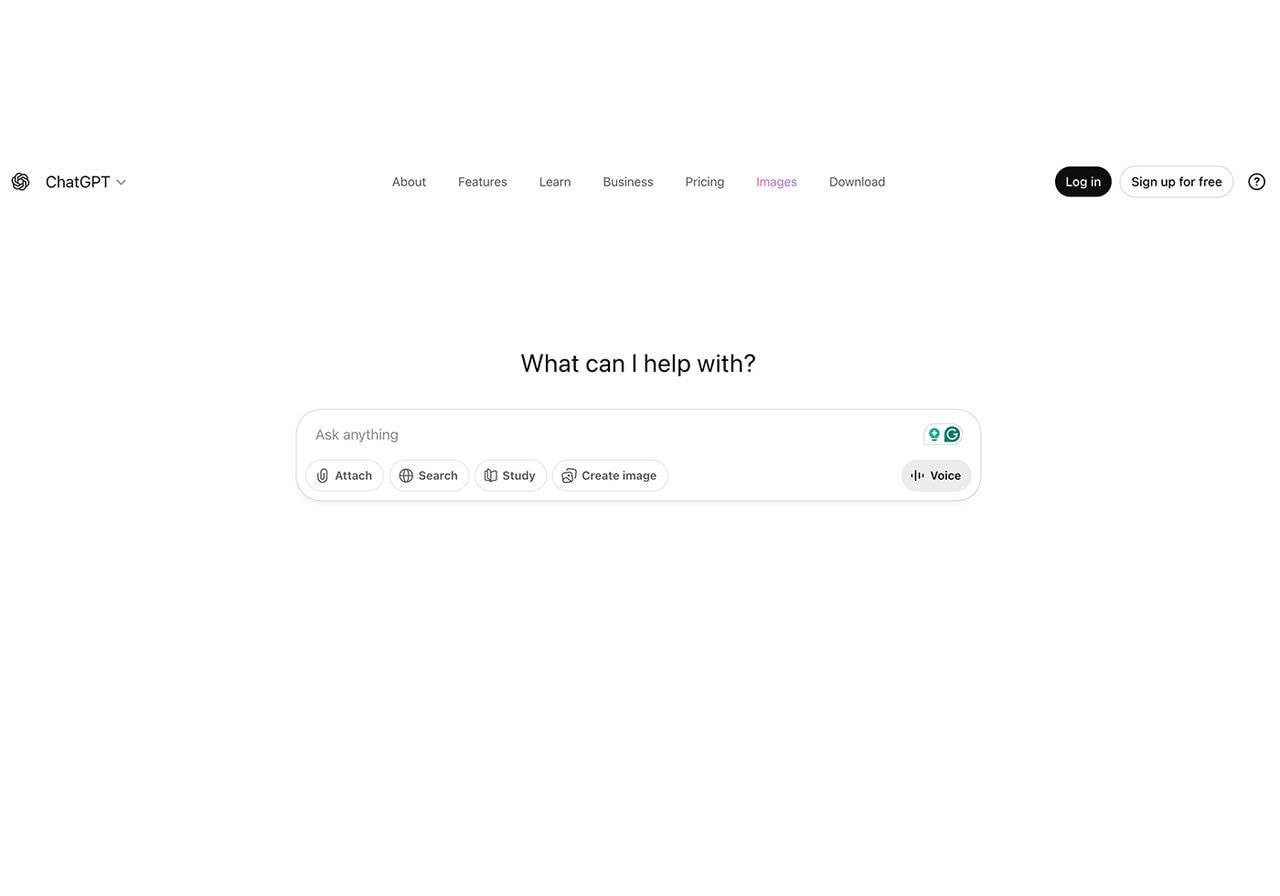
ChatGPT is one of the most flexible AI writing tools available. Powered by large language model technology and advanced machine learning models, it excels at creative ideation, SEO-friendly writing, and tone adaptation.
What it’s best for
Creative, story-driven product descriptions and SEO-focused variations.
Who should use it
Print on demand sellers, content marketers, and human writers who want creative control with AI assistance.
Example output
ChatGPT can generate product descriptions that blend storytelling, benefits, and search intent, while adapting easily to different target audience styles.
Top features
-
Strong AI-writing assistant for ideation
-
Supports keyword research integration
-
Handles brand voice adjustments well
-
Useful for meta descriptions and blog content
Limitations
Requires strong prompts, human oversight, and fact-checking to avoid generic phrasing and AI hallucinations.
Best prompts
ChatGPT works best when paired with human creativity. It does not replace human writers—it amplifies them.
Did you know?
AI hallucinations happen when AI tools generate confident-sounding content that is inaccurate, misleading, or simply wrong. This can occur when models rely on limited data or creatively fill in gaps.
To reduce the risk, fact-check everything, use strong prompts and reliable input data, and stay updated with the latest AI versions. Human oversight is essential for accurate, trustworthy final content.
2. Claude. Best for long-form and descriptive storytelling
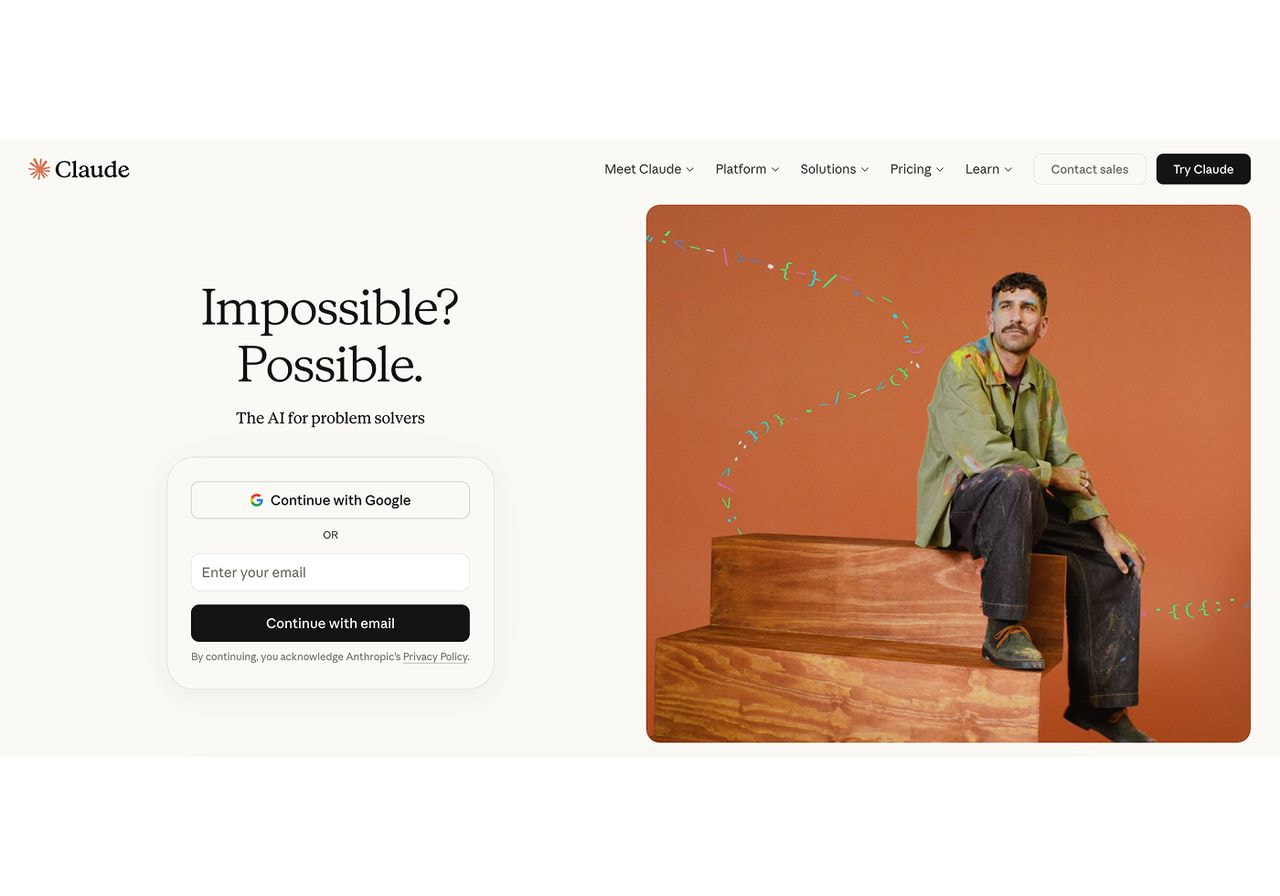
Claude shines when depth matters. Built on advanced AI models and machine learning algorithms, it produces longer, emotionally rich descriptions ideal for premium products.
What it’s best for
Story-heavy product descriptions and emotionally driven ecommerce product descriptions.
Who should use it
Luxury brands, handmade sellers, and ecommerce businesses focused on narrative.
Example output
Claude generates warm, descriptive written content that feels thoughtful and intentional.
Top features
-
Excellent long-form generation
-
Strong brand voice consistency
-
Effective sentiment analysis for emotional tone
Limitations
Less optimized for short-form social media posts without prompt tuning.
Best prompts
Claude is ideal when product descriptions need depth without sacrificing clarity.
3. Jasper. Best for ecommerce teams and scaling
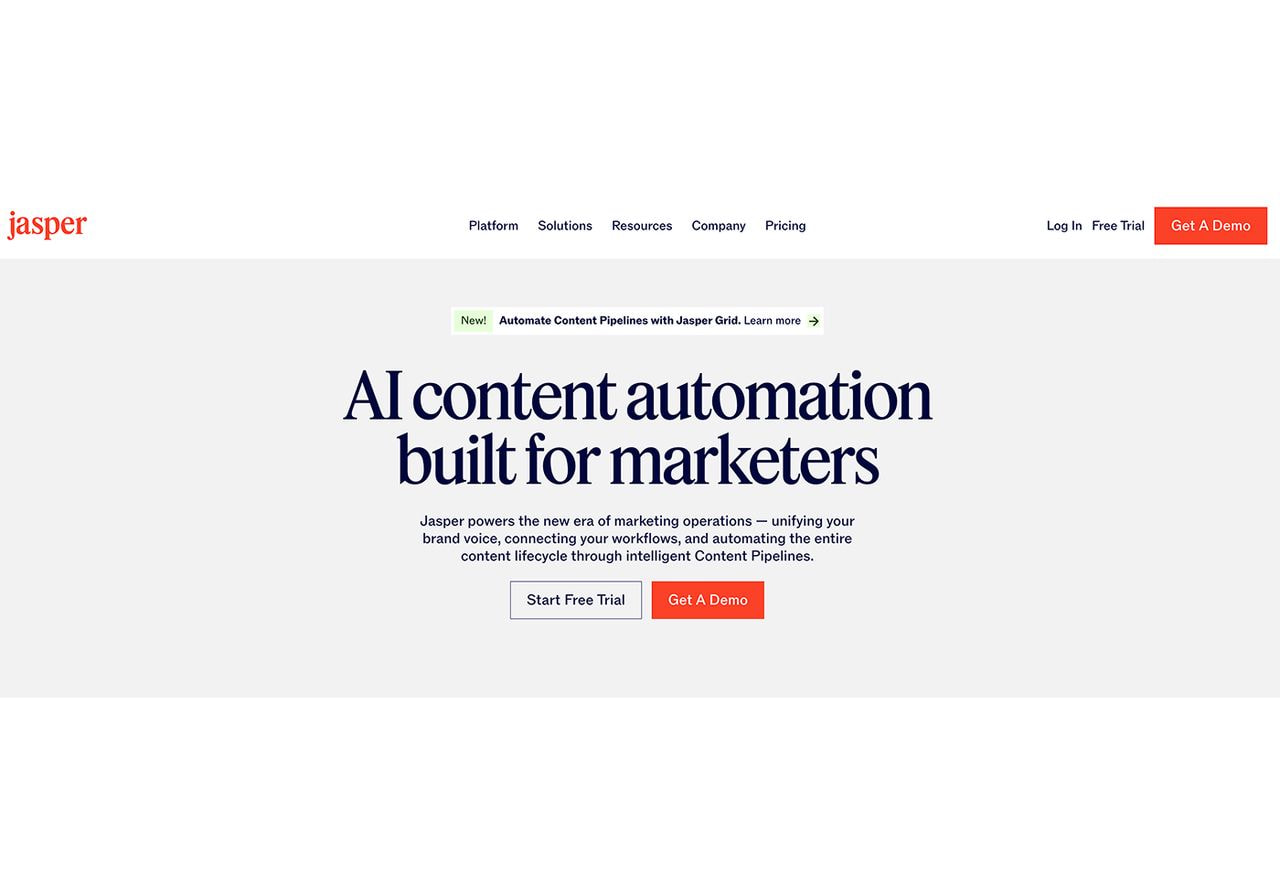
Jasper is a dedicated AI writing platform built for content marketing and ecommerce scale. It supports bulk generation and workflow collaboration.
What it’s best for
Scaling product descriptions across large catalogs.
Who should use it
Growing ecommerce businesses and teams managing multiple SKUs.
Example output
Jasper produces structured, conversion-focused descriptions aligned with ecommerce best practices.
Top features
-
Platform-specific templates
-
Bulk description generation
-
Brand guidelines enforcement
Limitations
Less flexible creatively compared to open-ended AI writers.
Best prompts
Jasper helps teams produce content efficiently without sacrificing quality.
4. Copy.ai. Best for punchy, viral-style copy
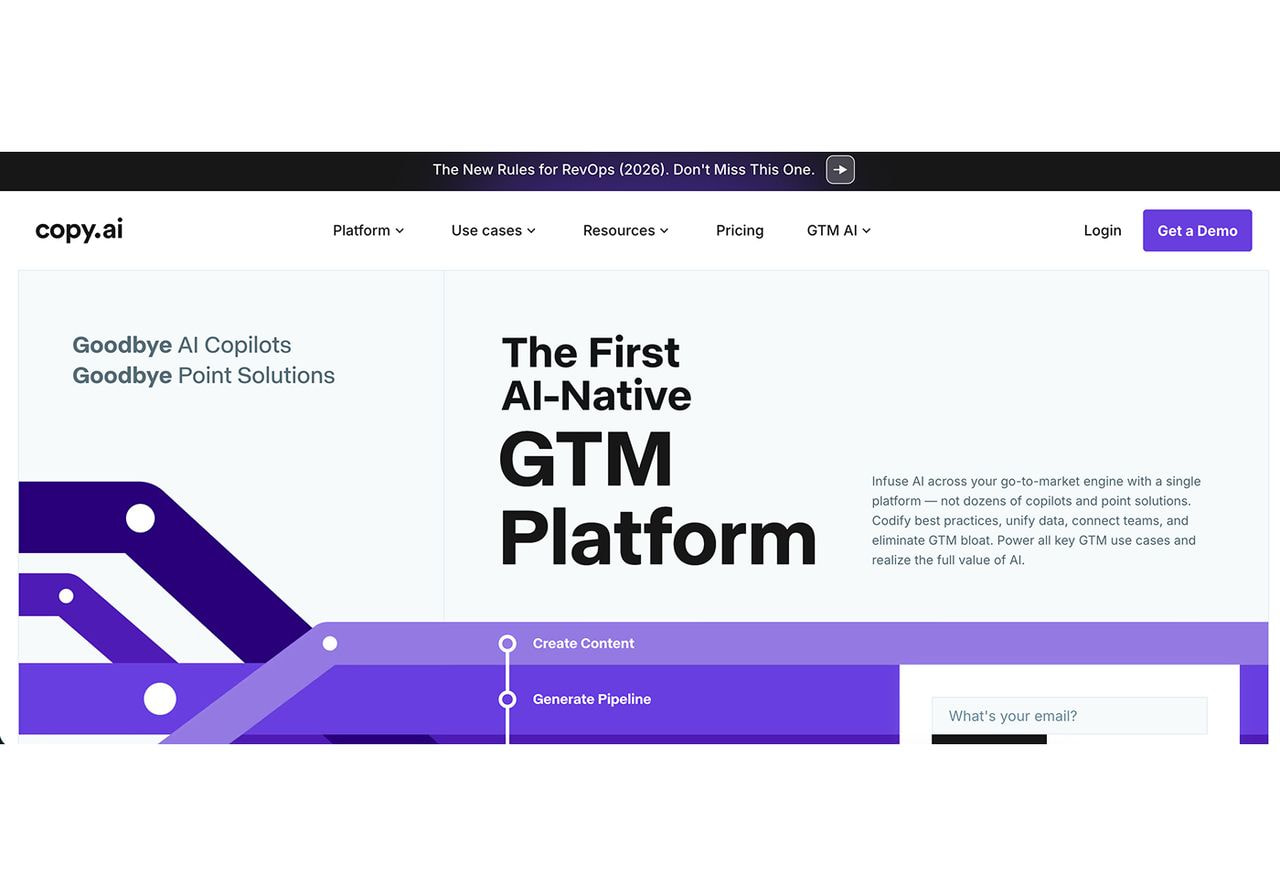
Copy.ai focuses on speed and energy. It is excellent for bold, short descriptions that feel social-first.
What it’s best for
Humorous and trend-driven product descriptions.
Who should use it
Sellers targeting TikTok Shop and Instagram audiences.
Example output
Copy.ai creates playful, fast-paced descriptions designed for viral content.
Top features
Limitations
Less depth for detailed product descriptions.
Best prompts
Use copy.ai to spark ideas, test tones, and polish short-form product descriptions while keeping accuracy and brand voice in check.
5. Hypotenuse AI. Best for data-driven product descriptions
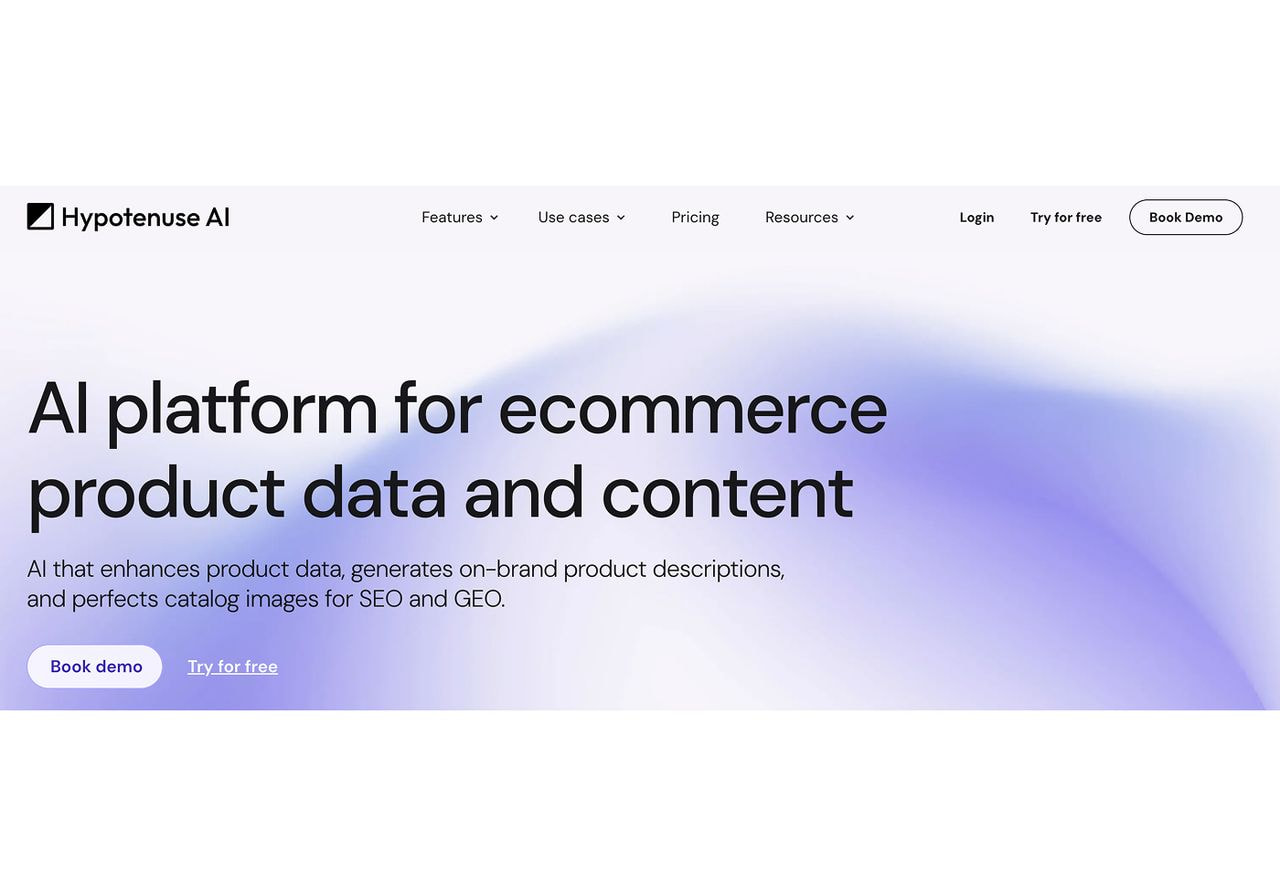
Hypotenuse AI specializes in ecommerce optimization, combining generative ai with search data.
What it’s best for
SEO-focused, large-scale product descriptions.
Who should use it
Stores with 100+ SKUs prioritizing search visibility.
Example output
Hypotenuse AI generates descriptions aligned with top-ranking pages.
Top features
-
Automated keyword research
-
Optimized content generation
-
Supports multiple languages
Limitations
Less creative flexibility.
Best prompts
Always review generated descriptions to fine-tune messaging, validate product details, and align content with brand standards.
AI prompt examples for writing viral product descriptions
Prompts define output quality. High-performing AI-generated content starts with clear intent and structure.
How to think about prompts
Effective prompts specify tone, platform, emotional goal, and format. They guide AI-powered tools toward meaningful results without sacrificing quality.
Prompt examples
-
“Write a viral Gen Z product description using slang but keep it easy to read.”
-
“Create a product description that uses scarcity, storytelling, and humor.”
-
“Write an SEO-friendly Etsy description with keywords and emotional benefits.”
-
“Generate 5 hoodie description variations optimized for TikTok Shop.”
-
“Write a viral Gen Z-style product description for a hoodie, using playful slang and over-the-top enthusiasm.”
-
“Create an emotionally compelling, story-driven product description for a handmade candle.”
-
“Write a conversion-focused product description using a benefits-first structure.”
These prompt templates support AI-content generation that feels intentional and human.
AI-powered tools streamline the content creation process for print-on-demand businesses. They help sellers create content faster while maintaining consistency across platforms, giving brands a clear competitive edge in crowded marketplaces.
When paired with Printful’s fulfillment and design tools, AI writing becomes part of a smarter content creation workflow. These content creation tools support ecommerce teams by helping them:
-
Generate product descriptions at scale without losing brand voice
-
Adapt written content for Etsy, Shopify, Amazon, and social media posts
-
Reduce repetitive tasks while keeping human oversight in place
-
Maintain consistent product details across growing catalogs
-
Save time during launches, seasonal updates, and content repurposing
Tip: Explore more in Printful’s blog on how to use AI to start a business.
Conclusion
Artificial intelligence has reshaped how ecommerce sellers approach product descriptions and the writing process itself. But the best AI tools do not replace human creativity—they enhance it. With proper prompts, human oversight, and a clear marketing content strategy, AI-powered tools help sellers generate product descriptions that convert, rank, and resonate.
Start small to manage the learning curve. Test a few tools. Refine prompts. Combine AI efficiency with human writers’ intuition. That balance creates scalable, high-quality content without sacrificing quality.
RELATED POSTS
View all


6 Fresh Ways to Style White Shirts for Men
December 18, 2025 | by deven.khatri@gmail.com

Men’s Shirt Branded Styles You Must Own for the 2025 Winter Season – VESTIRIO
December 7, 2025 | by deven.khatri@gmail.com