


Smart fabrics in 2026: The future of fashion and function | Printful
November 14, 2025 | by deven.khatri@gmail.com

Key smart fabric trends for 2026
As technology and materials advance, 2026 promises a new generation of smart textiles that are more flexible, sustainable, and commercially viable. Below are the top trends defining the next wave of innovation.
Color-changing and heat-responsive textiles
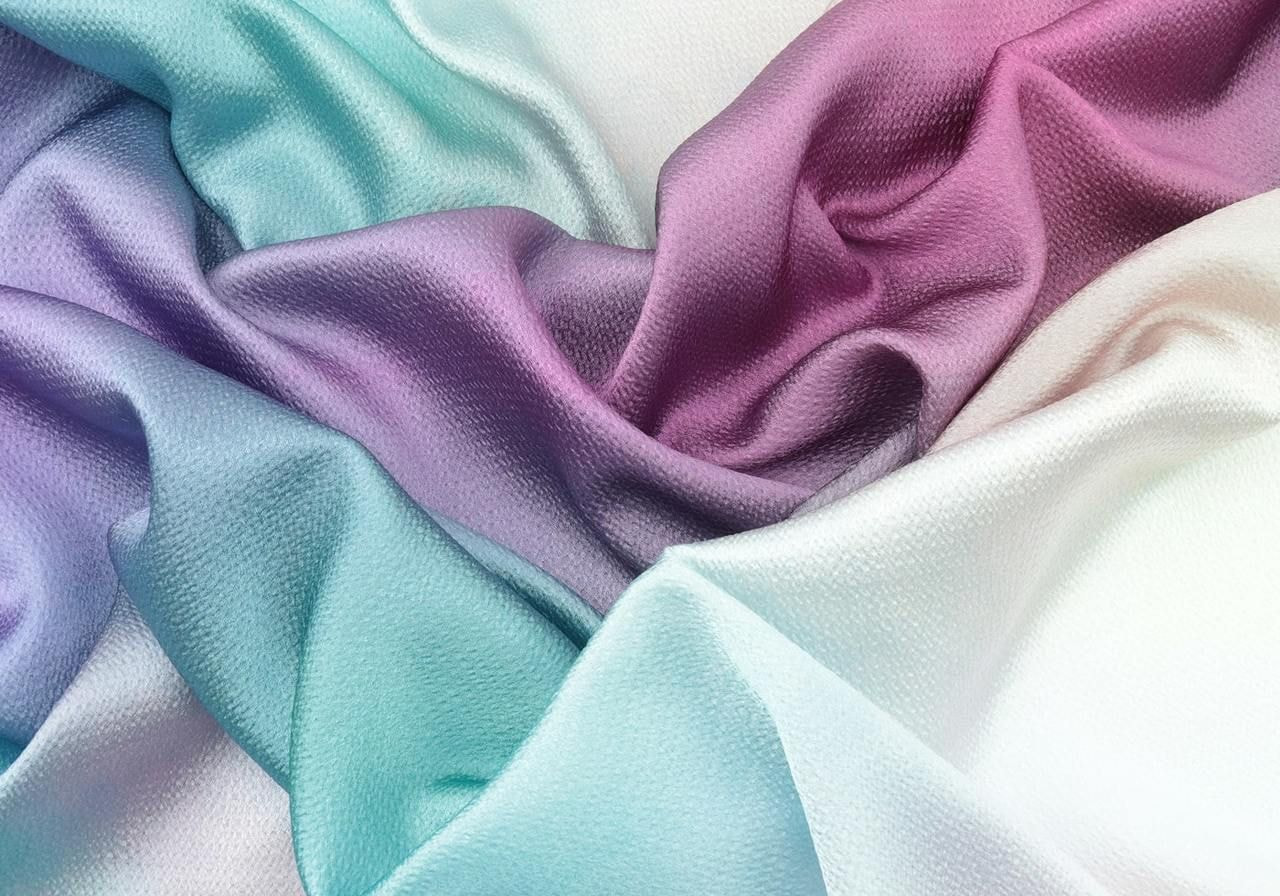
Imagine garments that shift hue as temperature changes or respond to environmental conditions.
These smart textiles use conductive materials and microscopic dyes (known as chromic materials) that react to heat (thermochromic), light (photochromic), or electricity (electrochromic).
Fashion houses are already experimenting with color-adaptive jackets and textiles that can be used for performance gear. For example:
-
A ski jacket could change color in areas where heat is being lost.
-
A running shirt could change hue to signal that the wearer’s body temperature is rising dangerously high.
-
A baby’s onesie could change color to alert parents to a fever.
This type of innovation redefines how clothing reflects data-driven design. It’s fashion, made practical.
Biometric and sensor-enabled clothing
Sensors embedded in smart fabrics are becoming increasingly precise and comfortable, moving from single-point monitors (like a chest strap) to fully integrated systems that feel invisible to the wearer.
They can non-invasively monitor heart rate, body temperature, sleep patterns, and muscle motion using conductive yarns that act as electrodes, or pressure sensors made from specialized polymers.
They transmit real-time data to mobile apps, allowing users to monitor vital signs and detect early health issues – making clinical-grade monitoring in everyday clothes possible.
A smart shirt could soon provide actionable insights about stress levels or fatigue, helping users adjust their routines.
For healthcare providers, this opens new doors to preventive care and remote patient monitoring through wearable electronics. Imagine a doctor getting real-time EKG data streamed to their device from a recovering cardiac patient’s smart shirt.
In fitness, active smart textiles with pressure sensors are being developed to improve form during weightlifting or yoga, providing haptic feedback for injury prevention.
Eco-smart materials (self-cleaning, recyclable)
.jpg)
Sustainability remains central to the future of textile innovation. The textile industry is a major polluter, and smart fabrics offer a path toward more conscious consumption.
Eco-smart fabrics can repel dirt, neutralize odors, and reduce water waste during washing. Some textile substrates are being developed from recycled fibers or biodegradable materials, lowering the overall environmental impact.
New self-cleaning surfaces use nanotechnology to prevent bacteria buildup. This technology is often inspired by nature, mimicking the “lotus effect” where microscopic structures on a leaf’s surface cause water and dirt to roll off.
Other textiles may incorporate photocatalytic materials (like titanium dioxide) that, when exposed to light, break down stains and odor-causing bacteria.
These advances can extend garment life, reduce energy use from frequent washing, and show how smart fabrics align with conscious consumption and sustainable manufacturing.
Energy-harvesting fabrics
The next generation of smart textiles can potentially generate its own energy to power the active smart textiles we’ve discussed.
Using piezoelectric fibers or conductive yarns, these materials can convert movement, body heat, or sunlight into electricity. The technology could one day produce enough power to charge small devices or make the garment’s own sensor system self-sufficient.
Designers and engineers are creating textiles that can be used in accessories or outdoor clothing that collect solar energy without sacrificing comfort and flexibility. For example, thin, flexible photovoltaic fibers can be woven directly into the fabric of a backpack or jacket.
A fabric made from these fibers could harvest energy from the simple motion of breathing or walking. While the energy produced is still relatively small, the goal is to create truly independent wearable electronics that never need to be plugged in.
Biofabricated leathers
Biofabricated and lab-grown leathers are another form of textile innovation. These materials are not just vegan leather, which is often plastic – they’re developed from the ground up.
Created using mycelium (the root structure of mushrooms) or bacterial fibers, these materials mimic traditional leather’s functionality and shape while cutting waste and carbon emissions.
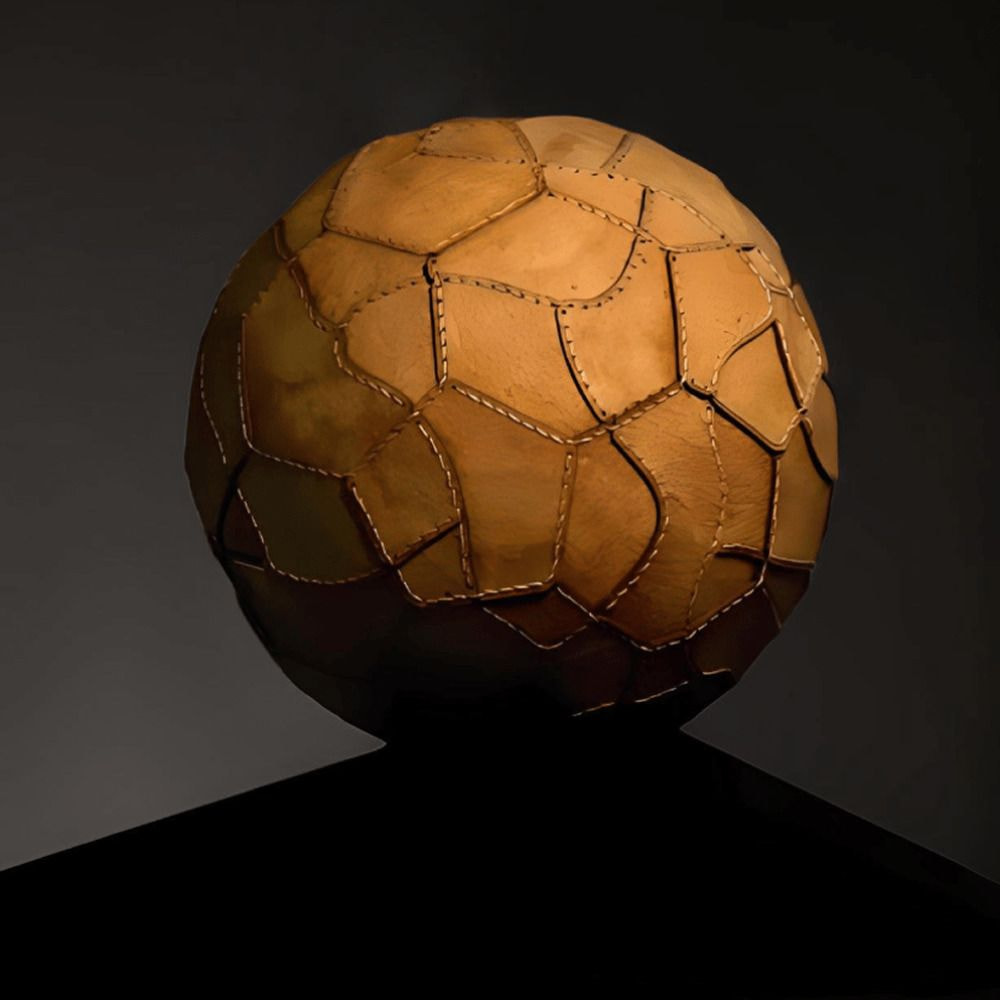
Mushroom-leather ball. Source: MycoWorks
The manufacturing process is revolutionary. Companies can grow a sheet of this material to the exact shape and size needed for a product (like a shoe upper or a handbag panel), eliminating the cutting waste associated with traditional animal hides.
The material’s properties, such as thickness, strength, and even texture, can be programmed during its development.
By 2026, brands and manufacturers expect wider adoption of these cruelty-free alternatives, blending smart materials with sustainability goals. It’s a prime example of how fabrics are evolving.
RELATED POSTS
View all


100+ Personalized gift ideas for anniversaries
December 2, 2025 | by deven.khatri@gmail.com

Best Sustainable Fashion & Clothing Brand for Men
May 28, 2025 | by deven.khatri@gmail.com

Glossy vs. Matte Photo Finish: Which Is Best for Your Prints?
July 8, 2025 | by deven.khatri@gmail.com