


Sustainable fabrics: A Complete guide to recycled materials
December 4, 2025 | by deven.khatri@gmail.com

Recycled and regenerated fabrics
These eco-friendly clothing materials give existing fibers a second life, turning waste into something usable again. They differ from natural fabrics by using less energy than producing entirely new materials, and supporting circular habits that meet growing consumer demand for smarter solutions.
Recycled polyester (rPET)

Recycled polyester transforms plastic into new fibers through a controlled process that reduces energy use. It delivers stretch, structure, and durability for activewear, jackets, and other garments that need performance qualities.
ECONYL®
ECONYL® regenerates nylon from discarded fishing nets, industrial scraps, and post-consumer waste. It’s known for strength, smoothness, and flexibility, making it ideal for swimwear and fitted silhouettes that require reliable stretch.
Recycled cotton
Recycled cotton comes from fabric scraps and retired garments that are shredded, respun, and turned into new yarns. It reduces waste and limits the need for new cotton production while keeping quality suitable for everyday use, especially in blends.
Upcycled cotton
Upcycled cotton keeps more of the original textile intact by refreshing leftover materials instead of breaking them down completely. This preserves character while diverting waste and creating garments with a creative, sometimes textured look.
Innovative eco-fabrics
Next-generation textiles use new processes, closed-loop systems, and inventive raw sources. They differ from natural and recycled options by focusing on technology-driven solutions that reduce chemicals, water and energy consumption, and overall environmental impact while keeping texture and comfort high.
Tencel™ (Lyocell)
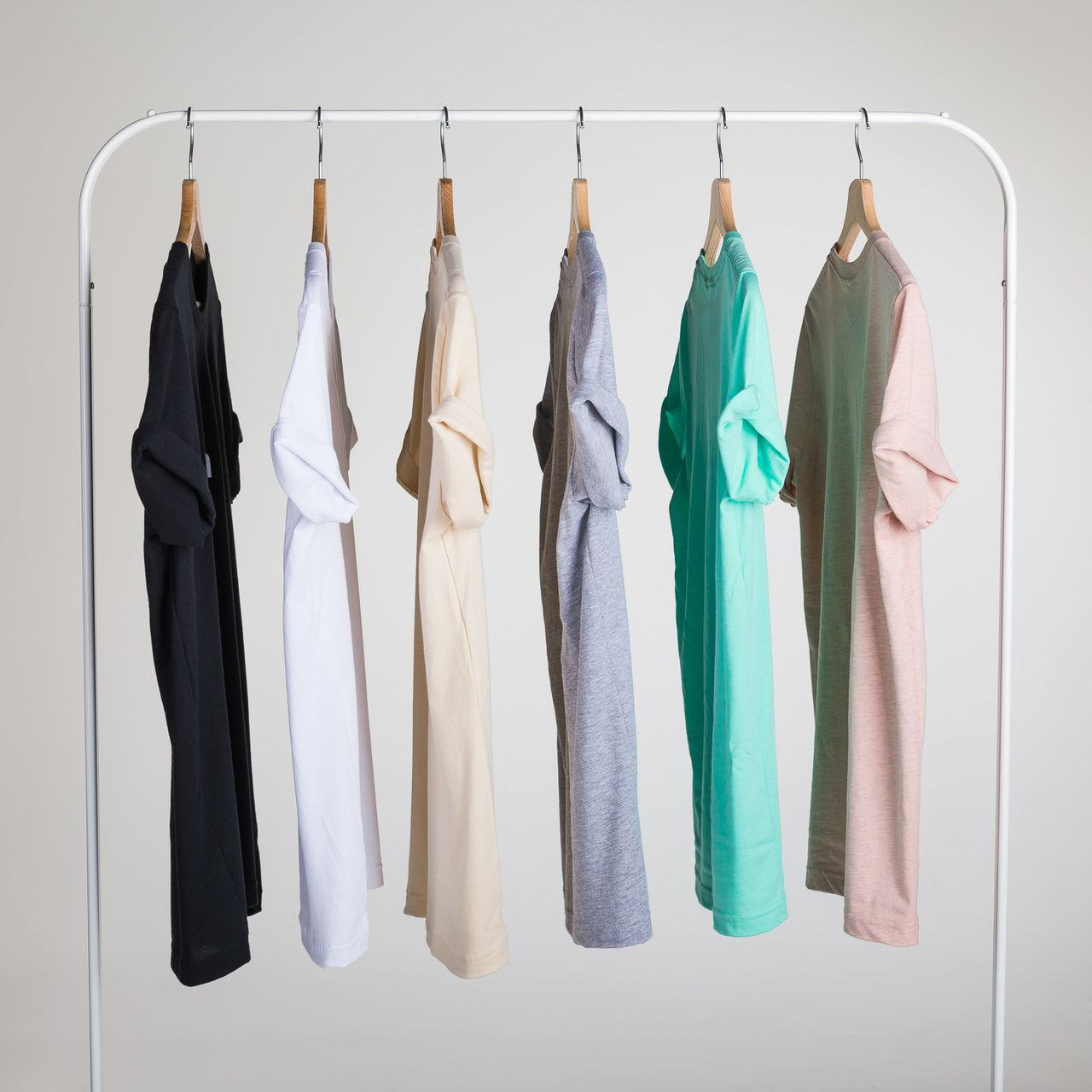
Tencel™ is made from wood pulp processed in a closed-loop system that recovers solvents and reduces waste. It feels smooth, drapes well, and offers reliable moisture control. It’s favored in apparel where softness and movement matter.
Orange Fiber
Orange Fiber repurposes citrus byproducts into silk-like textiles. The process turns leftover peel into soft, lightweight filament, creating a fresh option for dresses, blouses, and pieces that benefit from fluid drape.
Piñatex®
Piñatex® uses pineapple leaf waste collected after harvest. The fibers are felted into a durable, leather-like sheet with a textured look, making it popular for bags, shoes, and modern pieces.
Mycelium leather
Mycelium leather grows from mushroom root structures. It forms a flexible, plant-based material that mimics the look and feel of animal leather without relying on traditional tanning or synthetic fillers.
RELATED POSTS
View all



The Best Fabrics for Monsoon Humidity That Keep You Fresh and Fashionable – The Souled Store
August 20, 2025 | by deven.khatri@gmail.com

What to Wear This New Year? Best Mens Wear for New Year
December 20, 2025 | by deven.khatri@gmail.com